From First Play to Repeat Viewing: Planning a Branded OTT Service That Works for Its Audience
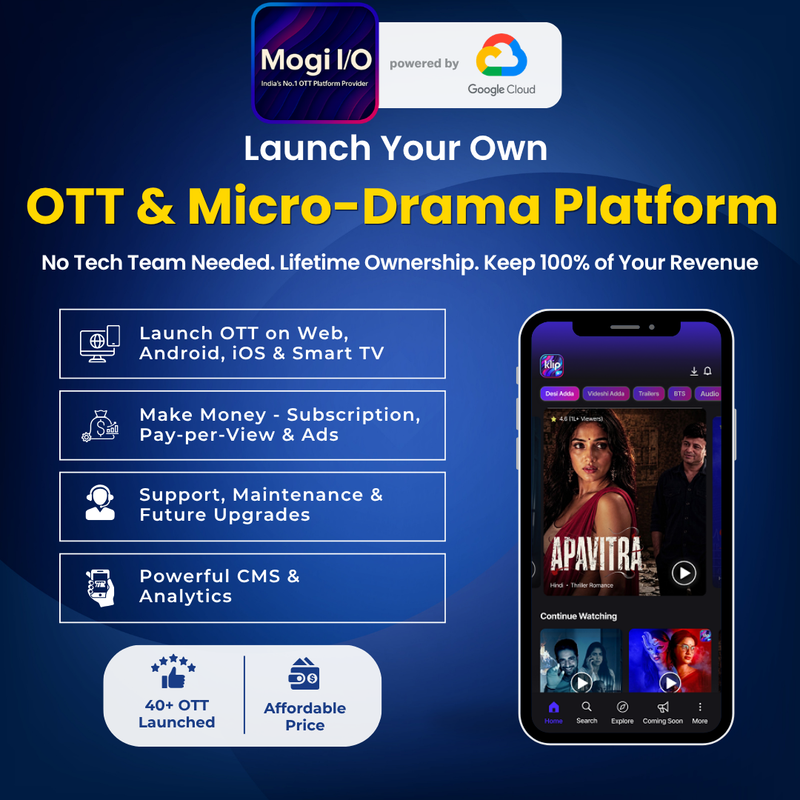
The content catalogue is often the first measure of a streaming service, although the viewer's experience extends well beyond the content. Their journey involves registration, exploring categories, selecting content, starting playback and deciding if they will come back. Every stage can either encourage further engagement or give them a reason to abandon the service. For companies planning a streaming service under their own identity, designing the entire viewing journey matters just as much as choosing the technology behind it.
A white label solution may offer a ready-made technical starting point for distributing video content using an organisation's branding. Even so, obtaining streaming technology does not by itself produce a valuable viewing experience. The central task is ensuring that the platform's features suit the audience, operational processes and available financial resources. An effective planning process begins with audience requirements before identifying the technology needed to fulfil them.
Define the Viewing Need Before Choosing Features
Prior to selecting technology, identify the reasons an audience would prefer the proposed streaming service. People using an educational service may prefer organised lessons they can continue without difficulty. Audiences interested in regional entertainment may appreciate content in familiar languages and a thoughtfully curated library. People watching a live competition may place the greatest importance on reliable viewing at the scheduled time.
Such variations affect almost every decision involved in product development. A searchable lesson library needs different organisation from a schedule of live events. Brief mobile-focused episodes lead to different content-discovery expectations than long documentaries. Functionality should reflect genuine audience needs rather than expand merely to match the features available elsewhere.
One practical place to begin is by outlining a representative viewing session. Consider what brings the viewer to the service, what they expect to find and what would make the session worthwhile. The exercise establishes clear criteria for comparing video platform options and deciding which capabilities belong in the first release.
Clarify How OTT Platforms Differ from Basic Video Hosting
When companies want to understand what an OTT platform actually is, their main concern is often the difference between operating a complete streaming platform and merely making video files available. The term OTT describes over-the-top distribution: viewers receive media through an internet connection rather than relying on traditional cable or satellite systems.
A video hosting service establishes the basic storage and content-delivery framework. Depending on the service, it may also include processing, embedded players and management tools. A broader OTT platform brings video delivery together with functions such as audience accounts, catalogue discovery, viewing permissions, branded applications and payment arrangements.
Understanding this difference is important because organisations have varying infrastructure requirements. A company sharing training videos occasionally may not require a separate entertainment-focused app. A paid content business may require a much more complete customer experience. Deciding which model is suitable requires a clear understanding of the relationship between the material, its viewers and the business distributing it.
Simplify the First Viewing Experience
A new viewer should understand the service before investing significant effort in it. Clear content descriptions, useful categories and straightforward access information help establish what is available. Unclear navigation labels or poorly explained payment terms may disrupt the experience before any video starts.
Evaluate the amount of information genuinely necessary during registration. Each extra action in the registration process should serve a clear function. When account creation is required, the process should make its benefits and subsequent steps clear. Payment-based viewing should present the offer clearly, including the access period and applicable limitations.
The initial viewing experience should also provide an obvious next step. A new subscriber who reaches an empty-looking home screen or an unfamiliar catalogue may struggle to choose. Relevant editorial recommendations, clearly identified categories and precise descriptions can improve content discovery. These choices involve editorial judgement and user experience design, not just technical development, so they should be addressed before the platform becomes widely available.
Test Playback Under Ordinary Conditions
A polished demonstration on a fast connection reveals only part of the viewing experience. Audiences may access videos through older mobile devices, shared domestic networks or hardware with limited performance. Performance assessments should reproduce the circumstances that target viewers may face.
Adaptive bitrate technology can adjust video quality according to changes in connection performance, yet simply having this capability does not confirm a reliable viewing experience. The evaluation should consider playback startup speed, buffering interruptions and the suitability of image quality for each type of material. An educational presentation featuring small written details may demand greater visual clarity than a straightforward video of someone speaking.
Real-time viewing requires additional preparation because technical issues may affect viewers immediately. Rehearsals should include the production feed, access controls and viewer playback. Checking the full content-delivery process helps uncover problems that may not appear when separate systems are tested independently.
Organise a Content Catalogue for Easy Discovery
A growing content library generally makes catalogue organisation more demanding. A limited library may only require general categories, whereas an extensive catalogue benefits from standardised titles, summaries, language details and connections between related content.
This work is easier when editorial rules exist from the beginning. Determine naming and description conventions for programme series, seasons, episodes and standalone recordings. Establish who checks cover images, captions and publication dates. Inconsistent content details may make worthwhile programmes harder to locate even if the platform's search tools operate properly.
An online video app should also help viewers continue what they started. Based on audience requirements, helpful features may include progress tracking, bookmarked programmes or episodes presented in the correct sequence. The priority is continuity: people returning after an extended break should easily find their previous position and continue watching without having to remember every detail of the last session.
Align Viewing Payment Options with the Value of the Catalogue
Subscriptions suit some content businesses, but they are not automatically the best starting point. A frequently updated catalogue may support an ongoing membership proposition. For a particular event, a single-payment option may provide a clearer offer. Learning content could be offered as a specific course collection instead of providing unlimited access to the whole library.
Advertising introduces another set of decisions. The organisation needs to assess whether advertising breaks are appropriate for its audience and whether the required operations can support that arrangement. Combining advertising with paid access can also create confusion unless the differences between offers are clear.
The evaluation of a white label SaaS platform should begin with its ability to accommodate the proposed payment arrangements. Check whether the platform accommodates the intended purchasing methods, access timeframes and account-level permissions. Equally, consider how failed payments, cancellations and refunds will be handled. These everyday situations influence trust and workload, even though they may receive less attention than the initial purchase screen.
Understand the Full Costs Behind Streaming Platform Pricing
A platform subscription is only one part of operating expenditure. Costs for content storage, video conversion, streaming traffic, application support and other functions may either be bundled into allowances or billed individually. Comparing headline prices without examining those boundaries can produce misleading conclusions.
Prepare several practical estimates of how the service might operate. One might involve a small catalogue with modest viewing. A second might account for extended viewing periods or a substantial rise in people watching concurrently. Broadcasting a live event can generate intense delivery demand over a short period, unlike consistent on-demand consumption.
The objective is to identify the factors that influence operating expenses. Determine how consumption is calculated, which functions incur fees and how additional usage is billed. An introductory package or free OTT platform might support early experiments, but whether it is appropriate depends on the service's real demands. Sustainable planning connects expected viewing behaviour to the full operating model rather than treating software fees as the entire budget.
Distinguish Branding from Operational Control
Replacing a logo and adjusting colours may create a recognisable appearance, but branding flexibility does not necessarily provide control over every part of the service. Businesses should examine which screens, features and workflows can be changed, and which depend on the provider’s standard product.
App ownership and release management responsibilities require careful consideration. Clarify which party handles new versions, how changes are submitted and who responds to problems affecting particular devices. The usefulness of a white label platform is influenced by how effectively operational duties are assigned between the business and its provider.
The same applies to audience information. Determine what records the business can access, how those records can be exported and whether integrations meet its operational needs. These questions help distinguish a service that looks independent from one that also supports the organisation’s day-to-day management requirements. Both appearance and control matter, but they should be evaluated separately.
Align Viewing Permissions with Content Distribution Rights
Businesses operating streaming platforms need clear knowledge of their authorised distribution rights. Content arrangements may differ by territory, viewing period, device category or commercial use. The platform must be capable of supporting the restrictions relevant to the catalogue.
Verifying accounts, controlling viewing rights and protecting content are closely related activities, but they address different requirements. A successful account does not always grant the right to view every item in the catalogue. Similarly, making a payment might authorise viewing for a limited duration. These distinctions should be reflected consistently in the viewer experience.
Businesses should maintain realistic assumptions about what content protection can achieve. Security controls can regulate viewing and limit some types of misuse, yet an individual tool cannot entirely prevent unauthorised duplication. The practical objective is to align available controls with content obligations while keeping legitimate viewing reasonably straightforward. Unnecessary obstacles can damage the audience experience that the service is designed to create.
Learn from Established Streaming Services While Defining Your Own Priorities
A service with a defined audience may differentiate itself through its content choices, specialist understanding or availability of less Name a video streaming service accessible material. The service may stand out through a clearly categorised professional catalogue, thoughtfully ordered lessons or entertainment intended for a particular linguistic audience. These advantages should guide product development.
Imitating established service features without recognising their intended value can add avoidable complexity. A content recommendation feature offers less value when fundamental catalogue organisation is unclear. Developing apps for more devices may offer limited advantages when most viewers use smartphones. Established platforms can help teams recognise familiar viewing patterns, but the launch scope should follow the proposed audience and available operational resources.
Introduce a Manageable Streaming Service with Clear Ownership of Tasks
A carefully limited release enables the organisation to study actual viewer activity without making operations overly complicated. The first release should support a complete viewing journey, even if the catalogue and device coverage are limited. Audiences must still be able to recognise what the service provides, watch the available programmes and obtain suitable assistance if problems arise.
Allocate clear ownership of video publishing, transaction-related concerns, playback troubleshooting and application maintenance. Create a method for identifying whether a playback issue is limited to one device or indicates a larger delivery problem. Clearly assigned processes minimise confusion when problems involve both the editorial team and the platform supplier.
The information being measured should help the organisation make practical improvements. Recurring playback errors require a different response from incomplete registrations or audiences who finish one title but do not return. Analysing these behaviours enables the team to determine whether better streaming performance, clearer service information or improved content selection is needed. Growth becomes easier to manage when each expansion responds to an observed need.
Conclusion
A successful branded OTT platform brings together worthwhile content, dependable viewing and well-organised daily operations. White label SaaS technology may offer a practical starting point, although organisations must still identify their viewers, structure their content libraries, evaluate expenses and establish operational ownership. Designing the service around a full viewing experience makes planning decisions clearer and more actionable. Begin with a platform that audiences can easily understand and dependably use, before extending its capabilities according to demonstrated viewing needs.